Tiếng Việt
 English
 简体中文
简体中文

Vietnam’s logistics costs currently account for 16–20% of GDP, significantly higher than the global average of 10–12%. With road transport carrying over 70% of cargo, congestion, rising costs, and environmental pollution have become critical issues. Meanwhile, freight rail accounts for only 1–2% of logistics share. This reveals huge untapped potential for developing freight rail as a sustainable and cost-efficient alternative to road transport.
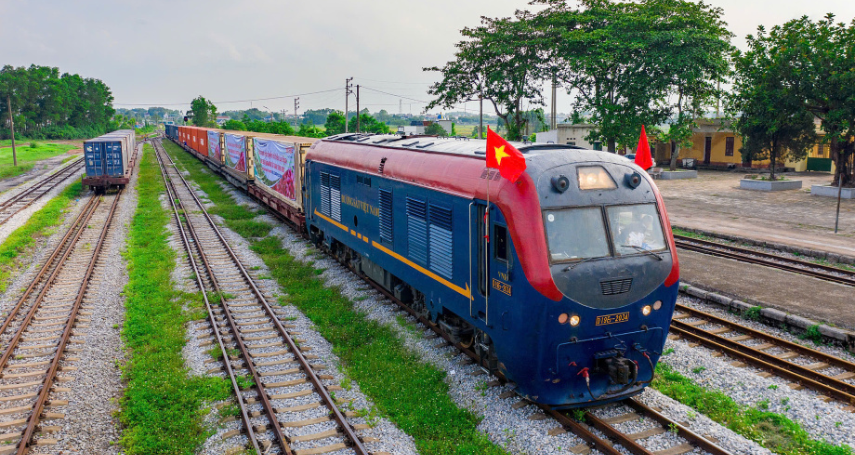
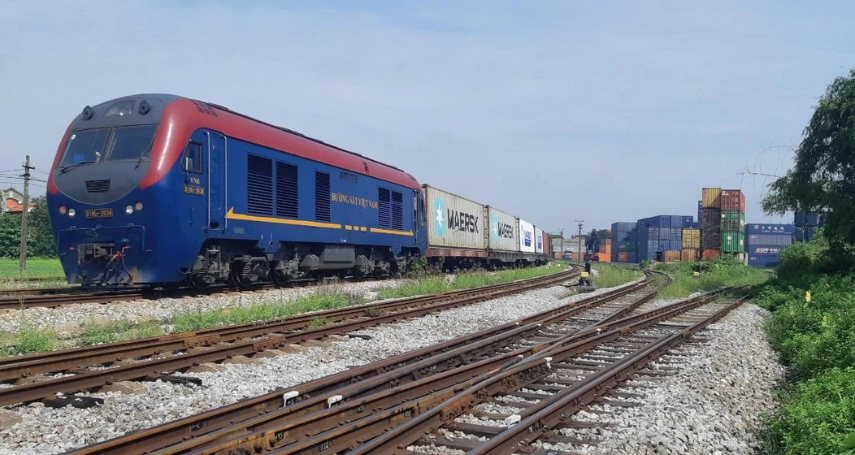
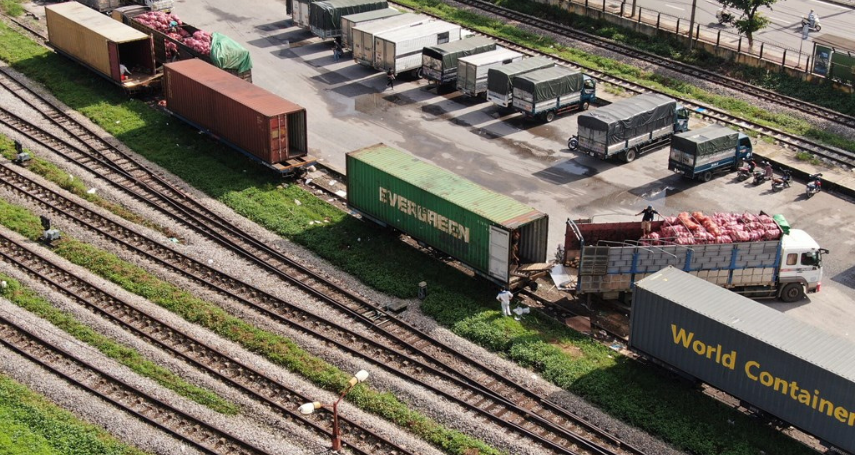
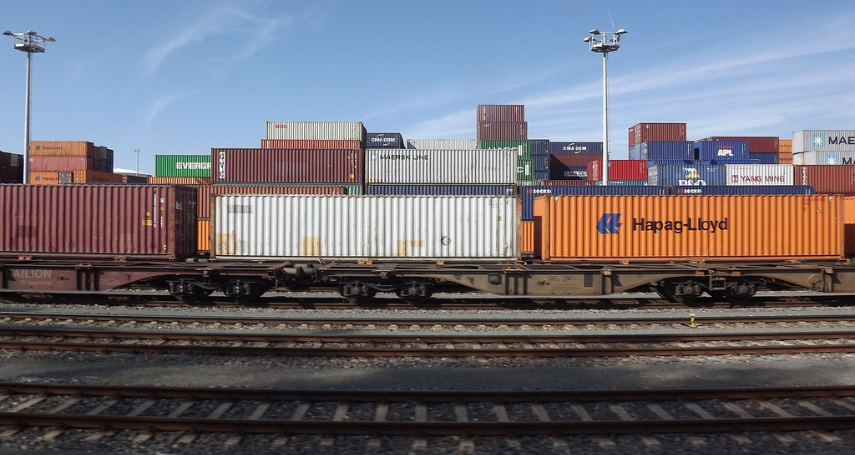
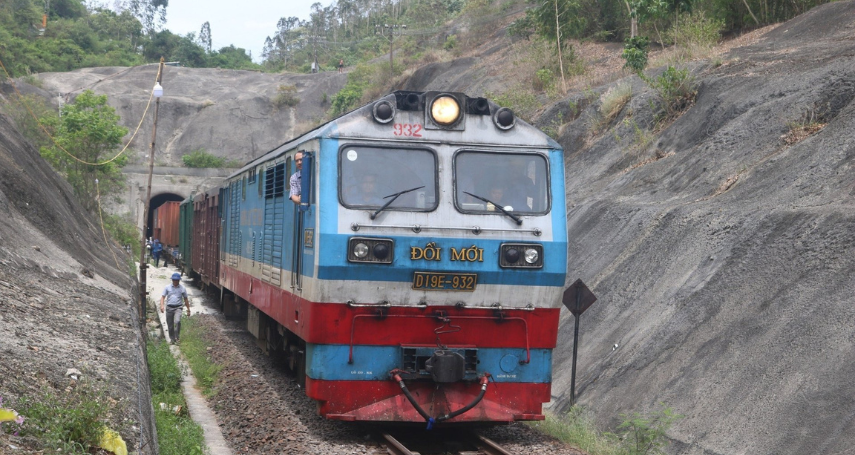
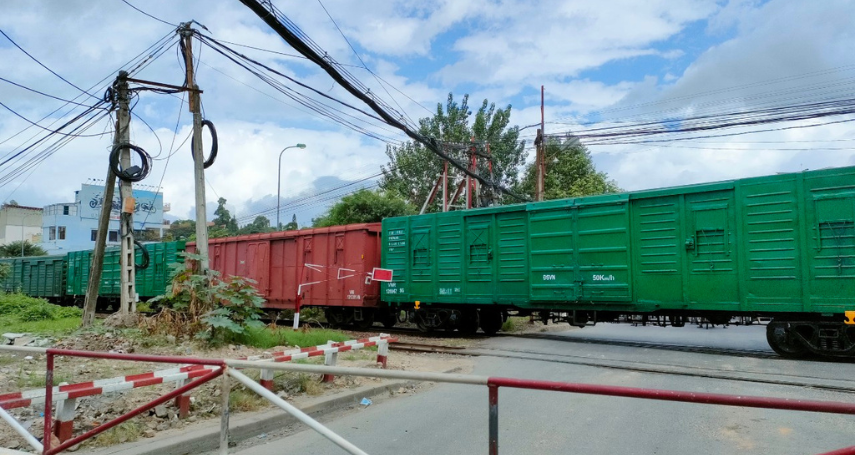
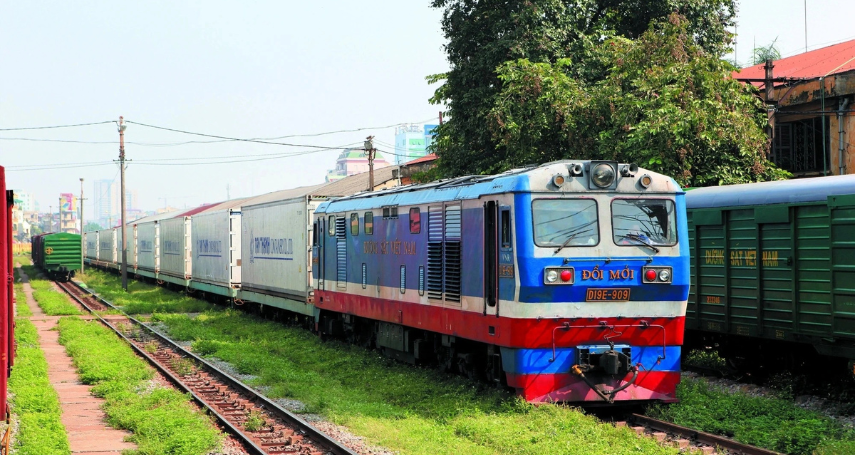
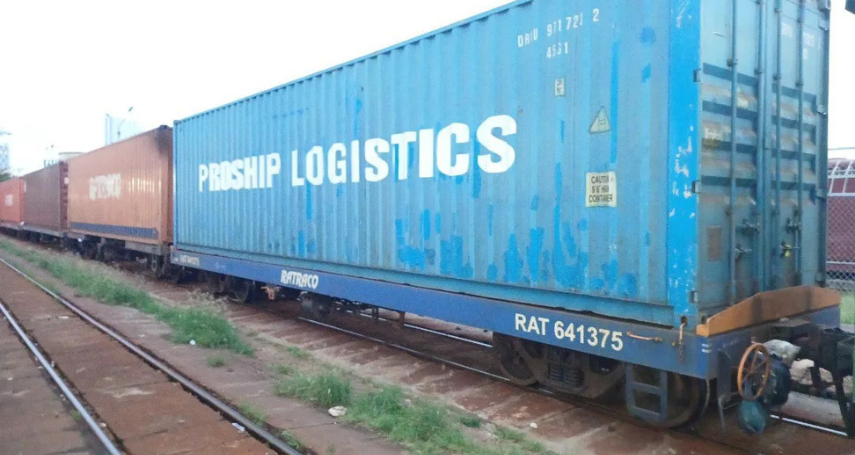
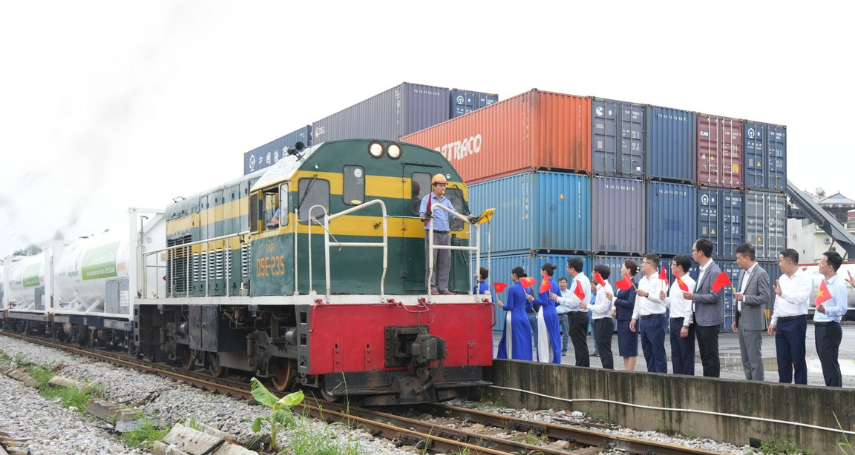
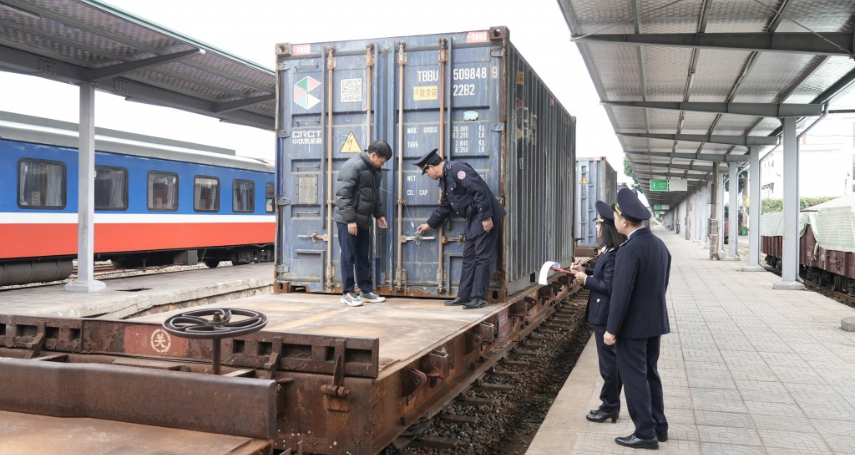
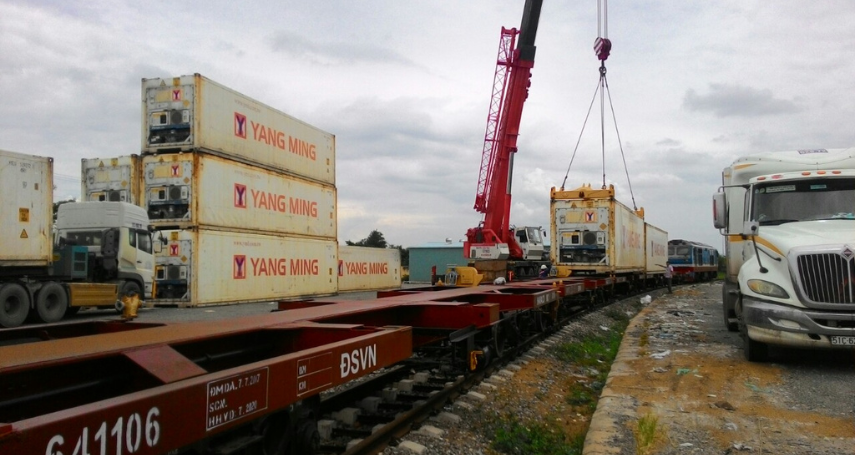
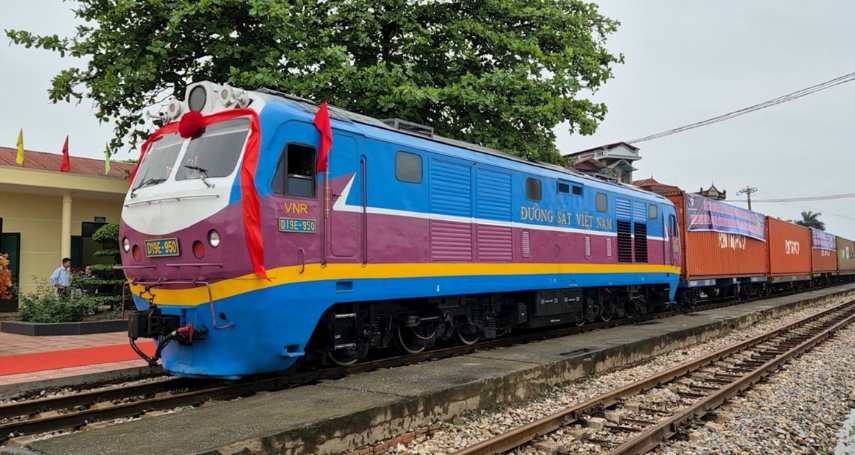
Current status of freight transport in Vietnam
Road transport
-
- Dominates the domestic logistics market.
- High costs, traffic accidents, and congestion are persistent problems.
- Places heavy strain on already aging infrastructure.
- Dominates the domestic logistics market.
Maritime transport
-
- Plays a key role in imports and exports.
- However, dependence on major ports leads to bottlenecks.
- Plays a key role in imports and exports.
Rail transport
-
- Holds only a tiny market share.
- Infrastructure is outdated, freight train speeds average just ~50 km/h.
- Poor integration with seaports and inland container depots (ICDs).
- Holds only a tiny market share.
Development potential
North–south economic corridor
-
- Huge demand for container and industrial goods transport.
- Upgrading the North–South railway could make it the backbone of domestic freight.
ASEAN–China connectivity
-
- Key routes such as Hanoi–Lao Cai–Kunming and Hanoi–Dong Dang–Nanning offer cross-border logistics opportunities.
- Key routes such as Hanoi–Lao Cai–Kunming and Hanoi–Dong Dang–Nanning offer cross-border logistics opportunities.
See also: Inter regional railway infrastructure – ASEAN connectivity
Bulk and agricultural goods transport
-
- Rail is ideal for heavy, bulky cargo such as coal, steel, cement, and agricultural produce.
- Rail is ideal for heavy, bulky cargo such as coal, steel, cement, and agricultural produce.
Advantages of freight rail
-
- Lower logistics costs: 30–40% cheaper than road transport over long distances.
- Environmentally friendly: 60–70% lower CO₂ emissions compared to trucks.
- Reliable and safe: Less affected by weather, fewer accidents.
- Supply chain stability: Improves predictability for businesses.
- Lower logistics costs: 30–40% cheaper than road transport over long distances.
See also: The impact of railways on logistics & freight transport
Global lessons
-
- USA & Canada: Freight rail accounts for 40–50% of domestic transport, a backbone of national logistics.
- China: Heavy investment in the Asia–Europe rail corridor creates a transcontinental trade route.
- Europe: Expanding cross-border freight rail lines to promote green logistics.
- USA & Canada: Freight rail accounts for 40–50% of domestic transport, a backbone of national logistics.
See also: High-speed rail: Lessons from Japan and China
Challenges in Vietnam
-
- Outdated infrastructure and slow average train speeds.
- Lack of specialized freight wagons for containers.
- Cargo terminals and logistics hubs below international standards.
- Inconsistent policies to encourage rail freight.
- Outdated infrastructure and slow average train speeds.
Freight rail has the potential to replace part of road transport, cutting logistics costs, easing infrastructure pressure, and promoting sustainable growth. It will be a crucial piece in Vietnam’s national logistics puzzle, bringing the sector closer to international benchmarks.