Tiếng Việt
 English
 简体中文
简体中文

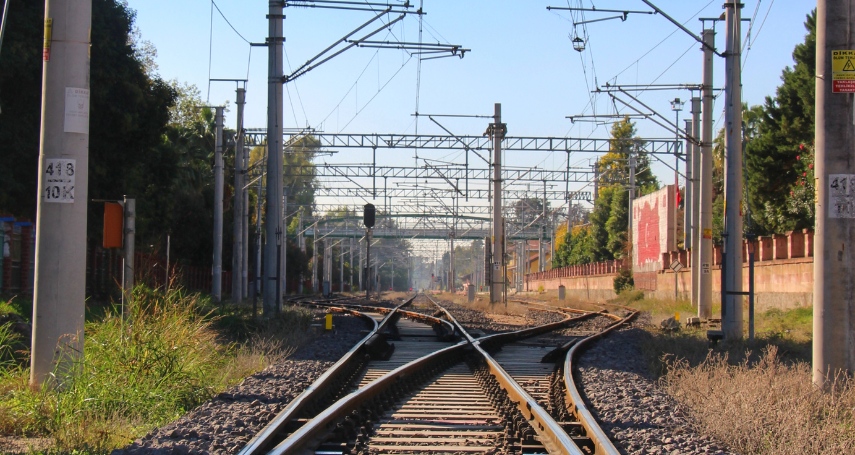
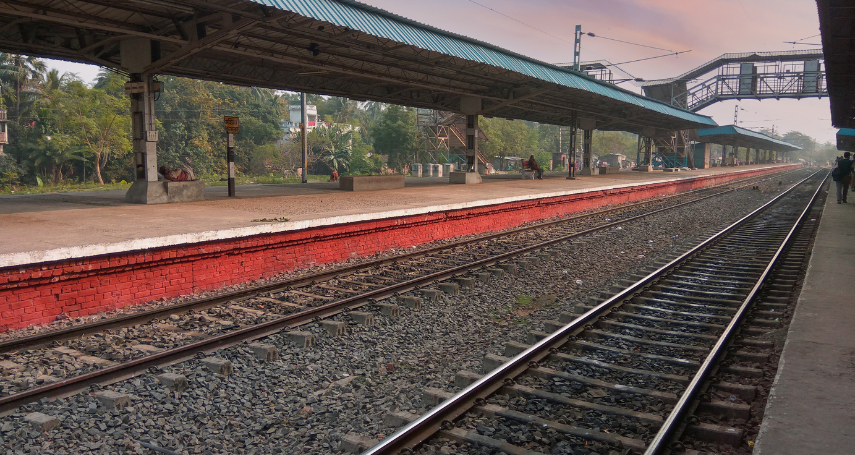
In railway infrastructure projects – particularly urban metros, underground stations, tunnels, and depots – fire safety systems are of utmost importance. Fire protection is not only a legal requirement but also a vital factor ensuring passenger safety, continuous operation, and long-term sustainability.
With rapid advancements in technology, modern fire safety solutions have been applied worldwide – from early detection systems and automatic suppression to digital evacuation simulations. For Vietnam, which is modernizing its metro and high-speed rail networks, adopting these solutions is essential to meet international safety standards.

Specific Fire Safety Requirements in Rail Infrastructure
High fire risk
-
- Enclosed spaces such as tunnels and underground stations easily accumulate toxic smoke.
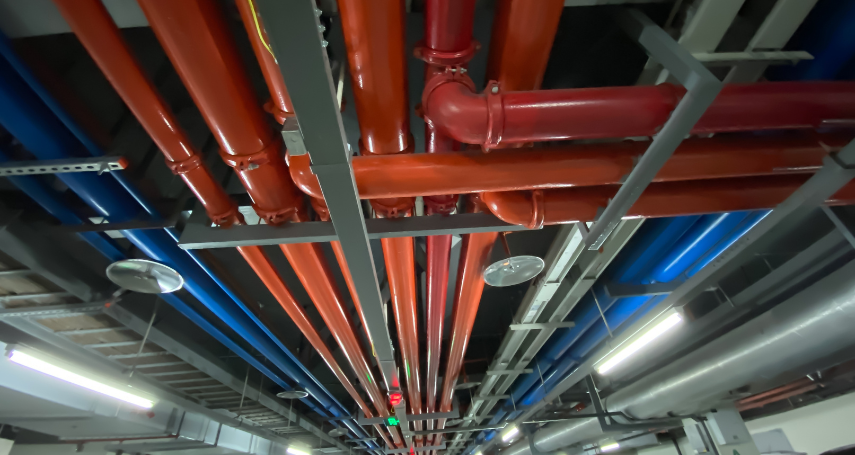
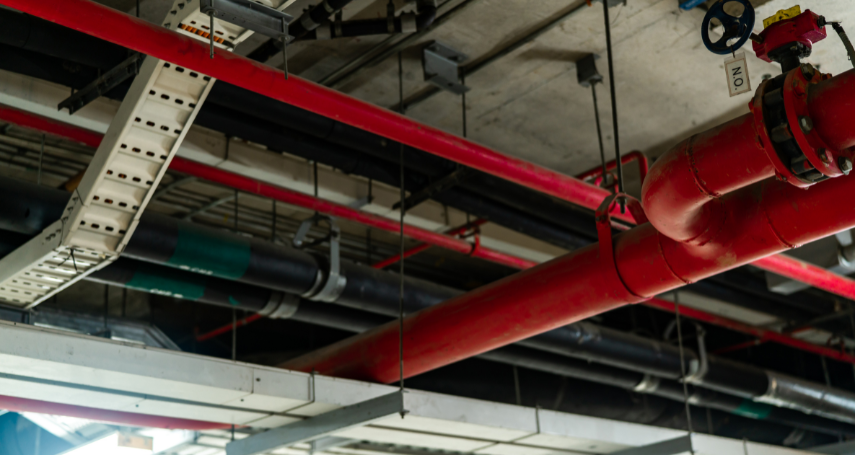
- Complex MEP systems with kilometers of electrical cables, switchboards, and substations create high fire hazards.
- Enclosed spaces such as tunnels and underground stations easily accumulate toxic smoke.
Fast evacuation demands
-
- During peak hours, metro stations may serve 30,000–40,000 passengers/hour.
- Therefore, evacuation systems must include multiple exits, emergency lighting, smoke extraction and ventilation meeting NFPA (US), EN (EU), or JIS (Japan) standards.
System integration
-
- Fire safety systems must integrate with OCC, CCTV, automatic alarms, ensuring quick alerts and accurate evacuation guidance.
- Fire safety systems must integrate with OCC, CCTV, automatic alarms, ensuring quick alerts and accurate evacuation guidance.
See more: FDI opportunities in Vietnam’s railway infrastructure
Modern Fire Protection Technologies Applied in Rail
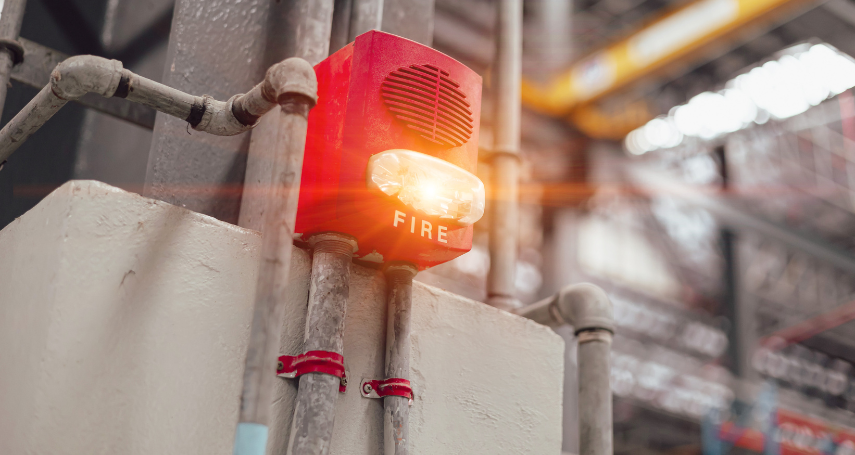
Smart fire detection & alarm systems
-
- Multi-layer sensors: heat, smoke, toxic gases (CO, CO₂).
- AI & Machine Learning: applied to analyze data, reduce false alarms, and accelerate responses.
- Multi-layer sensors: heat, smoke, toxic gases (CO, CO₂).
Automatic suppression systems
-
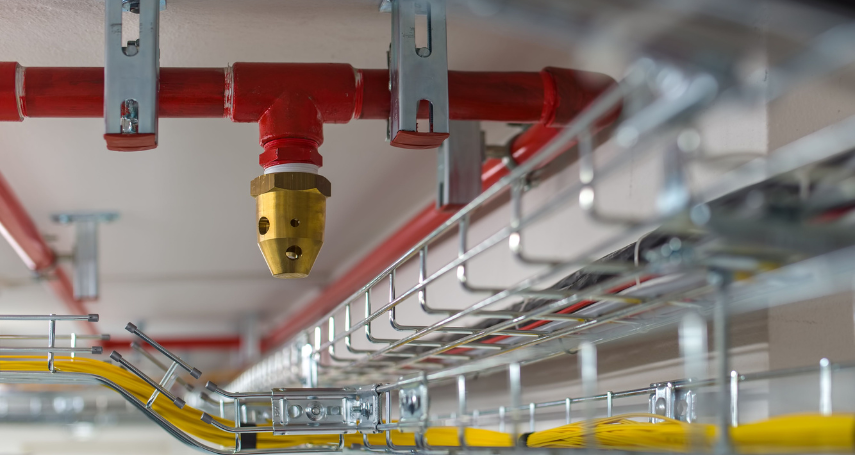
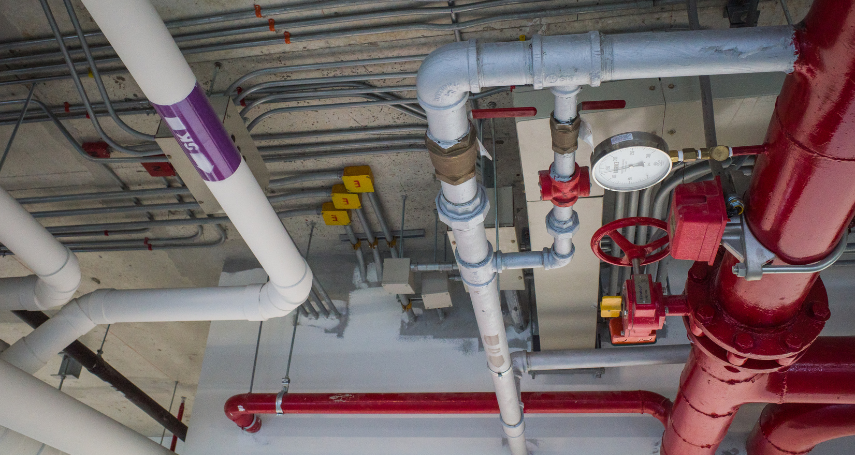
- Automatic sprinklers in stations and corridors.
- Clean agents (FM200, Inergen, Novec 1230) for control rooms, electrical panels, and data centers.
- Automatic sprinklers in stations and corridors.
Tunnel smoke extraction systems
-
- High-capacity fans linked to BMS (Building Management System), activated automatically
- Control smoke flow towards safe zones, minimizing suffocation risk.
- High-capacity fans linked to BMS (Building Management System), activated automatically
Evacuation simulation technologies
-
- 3D & CFD modeling to simulate fire and smoke movement.
- Supports optimized exit design and fire safety training for staff.
- 3D & CFD modeling to simulate fire and smoke movement.
Key Challenges
-
- High investment cost: fire safety may account for 5–7% of metro station construction costs.
- Strict technical standards: must integrate with MEP, OCC, and signaling systems.
- Skill shortages: need highly trained engineers and technicians in fire safety.
- High investment cost: fire safety may account for 5–7% of metro station construction costs.
See more: MEP for modern railway infrastructure
Emerging Fire Safety Trends in Modern Rail
-
- IoT & AI: 24/7 monitoring, early warnings via big data analytics.
- BMS integration: unifying fire safety with lighting, HVAC, and elevators.
- Green fireproof materials: eco-friendly coatings and panels.
- IoT & AI: 24/7 monitoring, early warnings via big data analytics.
Fire safety in railway infrastructure is a non-negotiable factor for protecting passengers and ensuring operational continuity. With modern technologies and proven implementation capacity, Vietnam can build metro and railway systems that are safe, sustainable, and globally competitive.