Tiếng Việt
 English
 简体中文
简体中文

The development of the metro system is influencing office selection trends in major urban areas, particularly in terms of connectivity and rental costs. However, rental prices and actual connectivity between different areas remain important factors to consider. This article examines the advantages of offices near metro stations and the key considerations businesses should evaluate before renting.
1. Transportation infrastructure: The key advantage of offices near metro stations
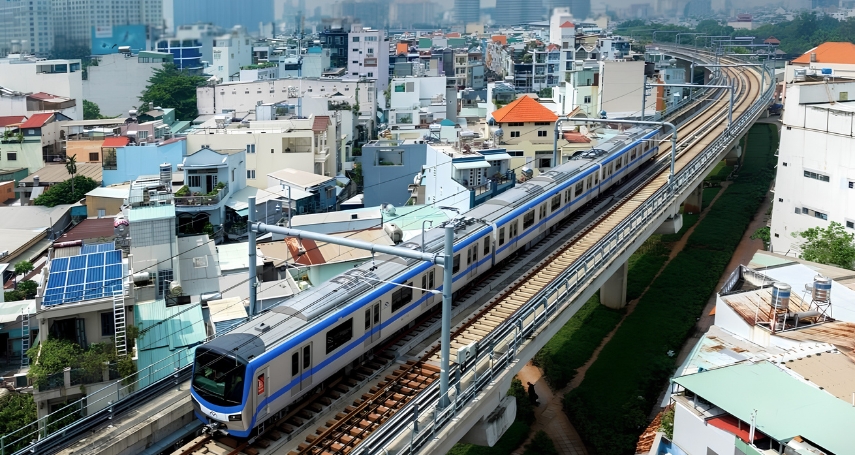
The operation of Metro Line 1 has helped reduce travel time between District 1 and Thu Duc City to approximately 10–30 minutes. As a result, employees have a more reliable commuting option, can avoid traffic congestion during peak hours, and are less affected by unpredictable weather, making daily travel more convenient.
This advantage also helps businesses attract and retain talent by choosing offices near metro stations. Reducing commuting stress contributes to a better employee experience, helps employees maintain a positive mindset, and improves overall team productivity.
Beyond transportation benefits, buildings within a 500-meter radius of metro stations may also provide access to a vibrant ecosystem of amenities, including restaurants, cafés, and supporting services. Increased commercial activity around stations can also improve brand visibility, facilitate client and partner visits, and enhance commercial value.
2. Limitations to consider when renting an office near a metro station
First, the current metro network has only one operating line, Metro Line 1, which spans 19.7 km and includes 14 stations. It does not yet cover key business districts such as District 3, Tan Binh, or District 7. Therefore, the metro cannot completely replace private transportation, and connectivity still varies across different areas.
In addition, last-mile connectivity infrastructure remains underdeveloped in some areas, with a lack of safe pedestrian bridges or park-and-ride facilities. Employees working in offices far from metro stations may still need to travel additional distances in hot or rainy weather, making commuting less convenient.
Beyond connectivity limitations, office rental prices along metro lines may be 10–15% higher than the market average due to market expectations. Businesses should also account for potential rent increases when renewing contracts to control long-term occupancy costs.

3. Investor groups that benefit and those that should exercise caution
The development of major public transportation infrastructure, such as metro lines, creates different opportunities and risks in the commercial real estate market. Depending on property location, usage demand, and investment strategy, each group may benefit to a different extent.
Groups that stand to benefit:
- Investors in Grade B/C offices near stations: May achieve higher rents and improved occupancy rates thanks to better transportation connectivity.
- Small and medium-sized enterprises (SMEs) and startups: Can optimize operating costs by renting Grade B/C offices near metro stations instead of expensive Grade A offices in central business districts.
- Supporting service providers (F&B and last-mile logistics): May increase revenue thanks to heavy passenger traffic around metro stations.

Groups that should exercise caution:
- Owners of buildings with poor last-mile connectivity: Even if located near a metro station, buildings with inconvenient access, insufficient parking, or no pedestrian bridges may struggle to achieve expected rental prices.
- Short-term speculative investors: Risk falling property prices or prolonged capital lock-up if supporting infrastructure is delayed or actual demand falls below expectations.
4. The impact of metro lines on nearby office markets
Metro lines affect not only properties directly adjacent to stations but also create spillover effects in surrounding areas. The impact on rental prices and office segments varies depending on the distance from a station and the quality of transportation connections.
4.1 Based on three standard distance zones
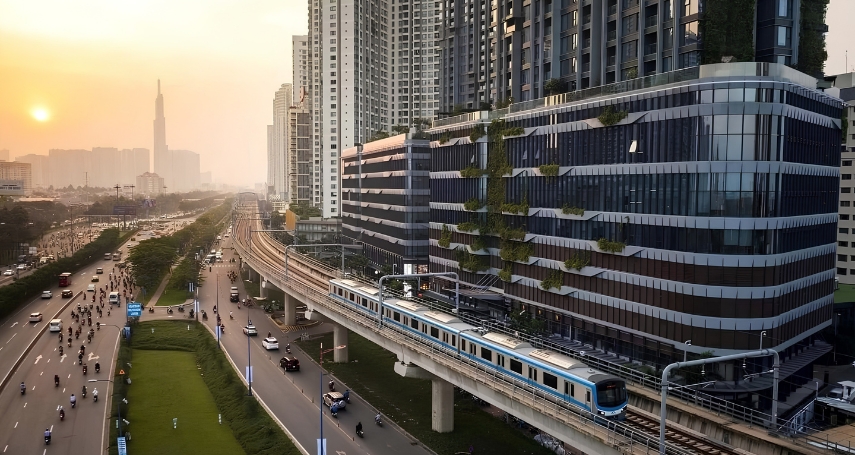
Zone 1: Within a 0–500 m radius (areas immediately surrounding stations)
- Impact: Experiences the most noticeable effects. Rental prices may be 10–15% higher than the general commercial property market average, while occupancy rates tend to increase.
- Affected segment: Primarily Grade A offices, attracting foreign direct investment (FDI) enterprises, banks, law firms, and multinational corporations.
Zone 2: Within a 500–1,000 m radius (areas accessible on foot or by connecting bus routes)
- Impact: Experiences a moderate effect. Rental prices are lower than in Zone 1 but may still be 5–10% higher than in areas with limited public transportation connections.
- Affected segment: Primarily Grade B and C offices, suitable for technology companies and SMEs seeking to balance costs with commuting convenience.
Zone 3: Beyond 1,000 m (areas requiring connecting transportation)
- Impact: The direct effect is generally weaker, but rental prices may gradually increase as infrastructure develops and local connectivity improves.
- Affected segment: Budget offices and coworking spaces, suitable for startups and newly established businesses.
4.2 Based on surrounding districts
In District 1 (the central business district, or CBD), the underground stations Ben Thanh, Opera House, and Ba Son help reinforce the area’s position as a financial center. Grade A office occupancy rates exceed 92%. Rental prices remain at USD 38–60/m²/month and are forecast to increase by 5–7% annually thanks to improved transportation connectivity.
Meanwhile, Binh Thanh District serves as a gateway connecting the central area with Van Thanh and Tan Cang stations. With Grade B office rents ranging from USD 18–26.5/m²/month, approximately 30% lower than in District 1, the area attracts many SMEs. Rental prices are also forecast to increase by 8–10% as businesses continue relocating from the city center.
Further from the city center, District 2 / Thu Duc City is developing into a dynamic satellite office hub along the metro line. Thao Dien and An Phu stations help reduce travel time to District 1 to approximately 10–30 minutes. Office rents in this area range from USD 19–30/m²/month, with the highest projected growth rate of approximately 15–20%.
5. When should businesses choose offices near metro stations?
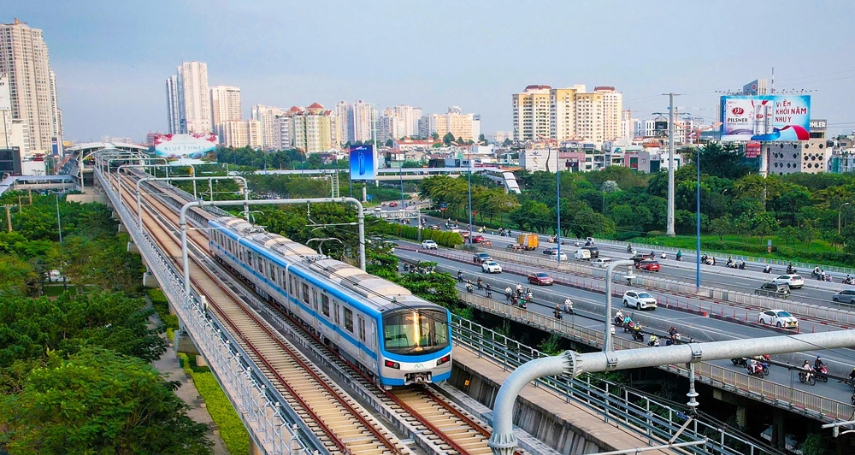
Although not every business needs to prioritize an office immediately next to a metro station, locating an office near a railway corridor can provide a significant competitive advantage in specific circumstances as urban transportation continues to evolve:
- Businesses with many employees living in eastern Ho Chi Minh City: Offices along the metro line make commuting more convenient, save employees 20–40 minutes of travel time per day, and reduce the stress of peak-hour traffic congestion.
- Businesses seeking to retain talent: Convenient public transportation improves the commuting experience, strengthens employer branding, and supports employee engagement.
- Corporations and foreign businesses establishing representative offices in Ho Chi Minh City: The metro system makes commuting more convenient for local employees and specialists traveling from overseas headquarters.
- SMEs and startups seeking to optimize budgets: Serviced offices or Grade B/C offices near metro stations can reduce rental costs compared with traditional CBD locations while maintaining convenient access to commercial networks.

6. Find flexible and affordable office space with A-Connection
Businesses looking for office space can contact A-Connection for advice on flexible office rental solutions that meet diverse business needs in Ho Chi Minh City, Hanoi, and other areas.
With a wide range of ready-to-rent offices available, businesses can easily find workspaces that suit their team size, preferred location, and budget.
Conclusion
Offices near metro stations offer advantages in transportation connectivity, recruitment, and commercial potential. However, businesses should still carefully consider location, accessibility, and long-term rental costs. Contact A-Connection today for advice on choosing an office that suits your operational needs and budget.
See also: