Tiếng Việt
 English
 简体中文
简体中文

The real estate market at the end of 2026 is entering a period of strong market filtering as financial pressure continues to increase. The imbalance between supply and demand, along with continued fluctuations in lending rates, is forcing investors to adjust their strategies. The following article examines potential scenarios based on macroeconomic factors and actual market developments.
1. Current Primary Supply and Absorption Challenges in the Real Estate Market
According to data from DNSE Securities Joint Stock Company, nationwide primary supply reached approximately 102,500 units, up 40% year-on-year. However, the market filtering process is becoming increasingly intense. Primary inventory remains high, with approximately 76,400 units yet to be absorbed, creating localized oversupply pressure and placing a heavy burden on financially weaker businesses.
Market purchasing power has declined significantly, with transaction volume reaching only 26,100 units, down 12% compared with the previous period. The average absorption rate fell to 25.5%, significantly lower than the 47.5% recorded in 2025. This indicates that cautious sentiment and the preference for preserving capital safety are becoming dominant trends among investors.
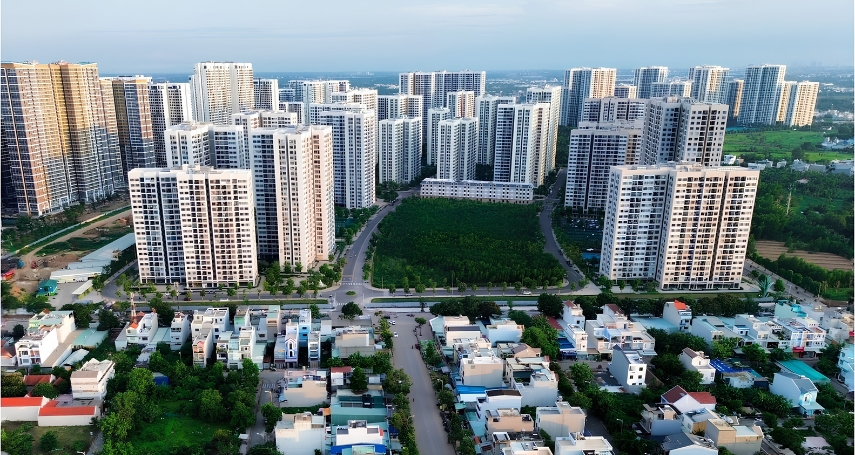
Mortgage interest rates currently range from 12-14% per year, while apartments priced below VND 60 million/m² have almost disappeared from the Hanoi market, creating the biggest obstacle to liquidity. Notably, secondary property prices in Hanoi declined by 3% for the first time since 2022, reflecting the market’s gradual return to fundamental values. This is also a sign that investors are willing to lower their profit expectations in exchange for better liquidity.
2. Macroeconomic Factors Controlling the Real Estate Recovery Momentum at the End of 2026
The market is currently being affected by multiple factors, including global geopolitical fluctuations and bottlenecks in domestic monetary policy. Below are the major macroeconomic factors causing the real estate recovery to proceed slowly and remain unstable.
- Lending interest rates: Floating interest rates remain high at 12-14%, prompting many investors to postpone investment decisions to avoid cash flow risks.
- Input costs: Labor costs have increased by 25%, while material costs have risen by 10-20%, making it difficult for developers to reduce primary selling prices despite the need to stimulate market liquidity.
- FDI and public investment capital: Registered FDI in the real estate sector reached USD 5.65 billion out of total registered capital of USD 38.06 billion nationwide, providing long-term growth momentum while also requiring greater transparency.
- Legal framework: The completion of land and housing laws helps filter out and eliminate projects that do not meet legal requirements, while creating advantages for financially strong developers.

3. Three Forecast Scenarios for the Real Estate Market at the End of 2026
The following three scenarios are based on macroeconomic developments and the degree of control over borrowing costs, two variables that currently influence nearly all decisions made by both developers and buyers.
3.1 Expected Scenario
If the economy maintains stable growth, the new legal framework is effectively implemented rather than remaining merely on paper, and interest rates are maintained at a relatively manageable level of 11-13%, capital is likely to return to the market. In this context, real estate projects that have completed their legal procedures will accelerate their development, helping new supply increase by approximately 20-30%.
According to forecasts from Dat Xanh Services, the real estate market in the second half of 2026 will continue to experience strong differentiation and increasingly clear market selection. New supply is expected to increase by approximately 33,000 units, bringing total nationwide primary supply to more than 100,000 units.

However, demand is expected to remain concentrated primarily among owner-occupiers and medium- to long-term investors rather than being evenly distributed across the entire market. As both supply and market confidence improve, selling prices in areas with good infrastructure are expected to remain stable or increase slightly, while the absorption rate under this scenario is projected to generally range from 20-30%. This is also considered the most likely scenario, as it relies largely on the inherent stability of domestic macroeconomic indicators rather than major unexpected changes.
3.2 Challenging Scenario
Conversely, if global inflation continues to rise, domestic floating interest rates could potentially increase to 13-15%. Higher capital costs combined with bond maturity pressures would force many businesses to scale back their project development plans, resulting in new supply growth of less than 20%.
As a result, defensive sentiment would spread among investors and capital flows would become increasingly constrained, potentially pushing the absorption rate below 20%. With purchasing power weakening, developers would be forced to accept modest price reductions to maintain liquidity.
3.3 Ideal Scenario
On the other hand, if macroeconomic conditions develop more favorably than expected, interest rates could fall significantly to 9-11%, leading to a clear recovery in market confidence. In this case, bottlenecks related to capital flows and project legal procedures would gradually be resolved, allowing supply to increase sharply by 30-40%.
A corresponding surge in demand would push selling prices up by 5-10% and raise the absorption rate to 40-50%, the highest level among the three scenarios. However, given the considerable financial pressure currently facing the market, this remains the least likely of the three possible scenarios.
4. Which Real Estate Segments Should Investors Consider at the End of 2026?
Regardless of which of the three scenarios the market ultimately follows, one common trend is clear: capital is becoming increasingly cautious and selective. Therefore, current investment trends are strongly focused on segments with real practical value and the ability to generate stable, long-term cash flow, rather than short-term speculation as seen in previous periods.
Real estate segments worth considering:
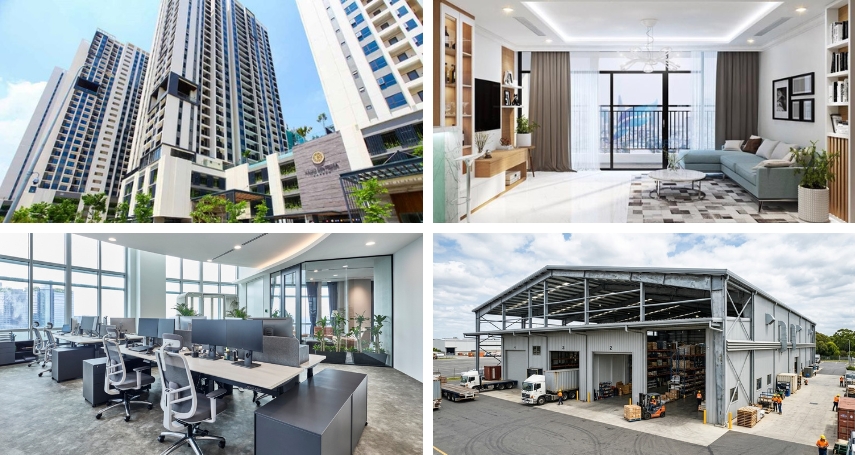
- Apartments serving genuine housing demand: These properties maintain good liquidity thanks to established residential communities, while reasonably priced housing supply remains limited.
- Rental real estate: Apartments located in urban core areas or areas with good infrastructure connectivity can maintain stable rental prices and have modest growth potential.
- Retail and office space: Rental demand is expected to stabilize as the economy recovers, with priority given to locations supported by well-developed transportation infrastructure.
- Warehouses, factories, and industrial real estate: These segments benefit from FDI inflows, while demand for AI data center development is emerging as a new growth driver.
5. Advice for Real Estate Investors at the End of 2026
After gaining a clearer picture of the three scenarios and potential investment segments, the practical question is how investors should act to avoid being among those eliminated during this market filtering period.
Amid continued financial pressure, risk management should be prioritized over pursuing short-term profit expectations. The following factors should be considered carefully before making an investment decision:
- Prioritize legal status and reputation: Investment should only be made in projects with clear and transparent legal status and developed by investors with a proven track record of successful projects.
- Strictly control financial leverage: Borrowing should be minimized as much as possible, given that the industry’s debt-to-equity ratio has reached a record high of approximately 0.72 times.
- Prioritize products that generate immediate cash flow: Investors should choose properties that can be immediately leased out to offset capital costs and protect asset value.
- Work with professional service providers: Investors should consider reputable operation and construction support providers such as A-Connection to optimize quality and costs during the operation process.

Conclusion
The real estate market at the end of 2026 is entering an important market filtering phase, moving toward greater transparency and more sustainable development. Investors need to remain patient, prioritize safer products, and adopt prudent financial strategies rather than following herd mentality or short-lived market booms. Focusing on fundamental value is the key factor in navigating the market’s current period of volatility.
References: Lao Dong Newspaper, Tien Phong Newspaper, DNSE Securities Joint Stock Company
See also: