Tiếng Việt
 English
 简体中文
简体中文

As the real estate market undergoes a significant restructuring phase, many investors are shifting their attention toward industrial real estate, particularly warehouse and factory leasing investments. No longer an experimental option, warehouses and factories are increasingly regarded as assets capable of generating stable cash flow, making them suitable for medium- and long-term investment strategies.
However, the question “Should you invest in warehouse and factory leasing at the present time?” needs to be assessed from multiple perspectives, including market conditions, actual leasing demand, legal considerations, investment costs, and long-term operational potential. With extensive experience in consulting and operating warehouses and industrial parks, a-connection provides a practical and objective analysis in this article.

Overview of the current warehouse leasing market
The warehouse leasing market in Vietnam does not fluctuate in sharp “boom-and-bust” cycles like residential land or apartment segments. This sector is directly tied to manufacturing, logistics, and goods circulation, resulting in lower volatility and greater long-term stability.
In recent years, demand for warehouse leasing has grown steadily due to the expansion of e-commerce, retail chains, and small- to medium-sized manufacturing enterprises. Rather than building new facilities, many businesses now prefer leasing ready-built, standardized warehouses to optimize capital usage and operational flexibility.
On the supply side, the number of high-quality warehouses has not increased rapidly. Warehouses with strategic locations, clear legal status, and convenient transportation connections often achieve high occupancy rates with minimal vacancy periods. This explains why the warehouse leasing market continues to attract interest, even when other real estate segments slow down.

Should you invest in warehouse leasing at the present time?
To answer this question, it is essential to understand the true nature of warehouse investment: a cash-flow-generating asset rather than a short-term speculative tool.
At present, warehouses remain a suitable investment option for investors with a clear medium- to long-term strategy. Instead of expecting rapid price appreciation, the core value of warehouse investments lies in stable rental income, long-term lease contracts, and genuine demand from operating businesses.
Compared to residential rental properties, warehouses are less influenced by consumer sentiment. Companies lease warehouses to support production and business operations, and once operations are stable, they tend to remain long-term tenants. This factor helps warehouse cash flows remain more predictable and resilient than many other real estate asset classes.
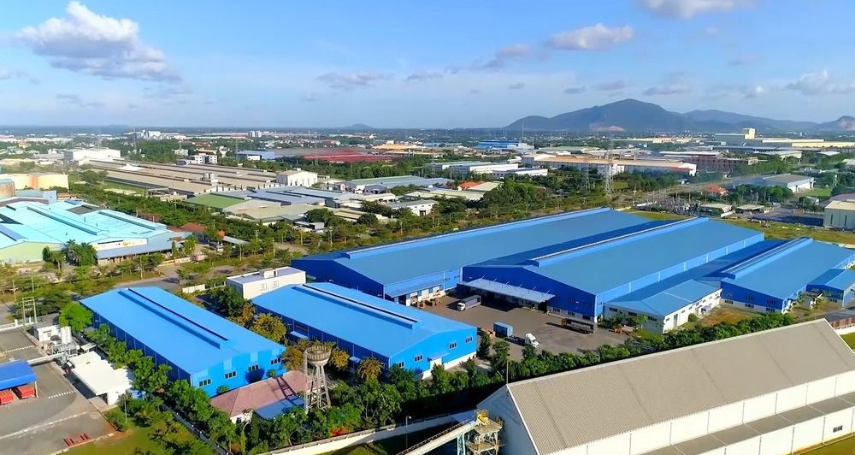
Why is warehouse leasing investment still highly regarded?
Stable and predictable cash flow
One of the most significant advantages of investing in warehouse leasing is the predictability of cash flow. Most warehouse lease agreements range from three to ten years, or even longer for large-scale tenants. This allows investors to plan finances proactively and minimize vacancy risks.
Operational demand rather than speculative demand
Warehouse tenants are typically manufacturing companies, logistics providers, or distribution businesses. They lease warehouses to support their operations, not for resale or speculation. As a result, leasing demand is relatively stable and less affected by market sentiment fluctuations.
Attractive returns
Despite fluctuations in interest rates and financial investment channels, warehouse leasing investments continue to generate average returns of approximately 7–10% per year, depending on location and operational efficiency. With flexible design and well-planned space allocation, returns can be further optimized.
Risks that should be clearly recognized
Although warehouse investment is considered safer than many other real estate segments, certain risks remain, especially for inexperienced investors.
Initial investment costs are typically higher than residential properties, particularly when acquiring industrial land or constructing new facilities. Legal due diligence is also critical, including land-use purpose, tenure, construction permits, and fire safety compliance.
Additionally, warehouse performance depends on tenant stability. If a tenant encounters operational difficulties, rental income may be affected. This is why careful tenant screening and well-structured lease agreements are essential.
Who Is Suitable for Warehouse Leasing Investment?
Warehouses are not suitable for every investor, but they are particularly well-suited for those with a long-term investment mindset. Investors who prioritize stable cash flow, lower volatility, and are willing to accept longer capital recovery periods often value this segment highly.
Moreover, many enterprises choose to invest in warehouses for self-use while leasing out surplus space. This approach helps optimize operational costs and generate additional long-term income.
Practical Experience in Effective Warehouse Investment
Through consulting and implementing numerous warehouse projects, a-connection has found that investment success depends less on low prices and more on location, legal clarity, and operational capability.
Warehouses located near industrial parks, ports, highways, or major transportation corridors consistently demonstrate superior performance. Tenants are often willing to pay higher rents for locations that enhance logistics efficiency and operational convenience.
In addition, flexible warehouse design is crucial. Facilities that can be subdivided or adapted for different tenant needs tend to achieve higher occupancy rates over the long term.
A-connection’s Perspective on Warehouse Investment at the Present Time
From both a market perspective and hands-on experience, a-connection believes that investing in warehouse leasing at the present time remains a viable and worthwhile option, particularly for investors pursuing sustainable strategies.
While the market may not experience rapid growth, its stability provides a solid foundation for long-term cash flow. As businesses increasingly focus on cost optimization and flexible production models, demand for standardized, well-located warehouses is expected to remain strong.
Conclusion: Should You Invest in Warehouse Leasing at the Present Time?
The answer is yes, provided that investors:
-
- Clearly understand the nature of cash-flow-based investments
- Select the right location with proper legal status
- Adopt a long-term operational strategy
Warehouses are not a quick-profit investment, but they are assets capable of preserving capital and generating stable long-term income. With the support of an industrial real estate specialist like a-connection, investors can mitigate risks and maximize operational efficiency.
Contact a-connection for Professional Consultation
If you are:
-
- Considering investing in warehouse leasing
- Looking for warehouses that match your budget and operational goals
- Seeking analysis of rental pricing, legal aspects, and investment efficiency
Contact a-connection for in-depth consultation and access to a curated list of high-performing warehouses and industrial parks.